
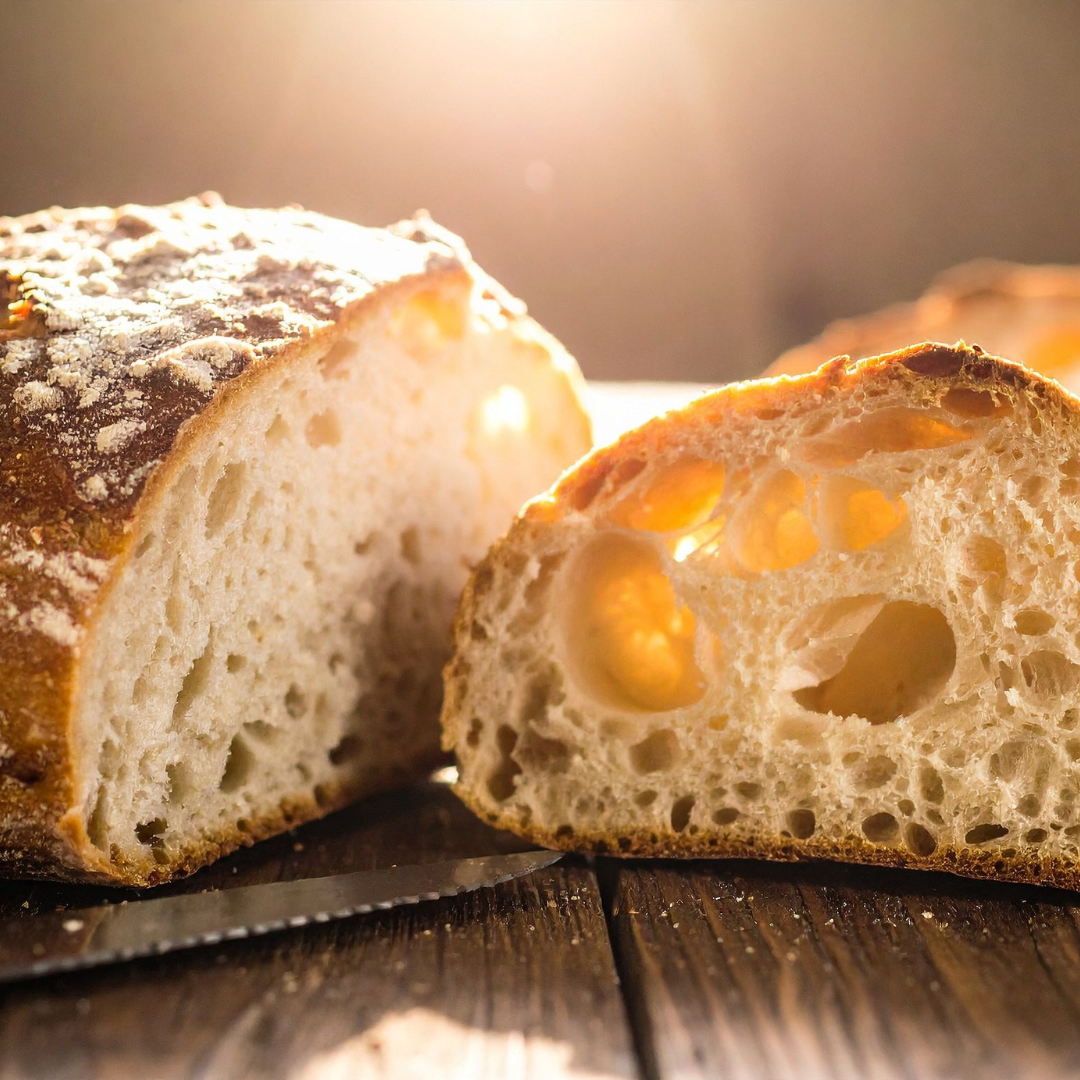
How To Score Sourdough For Better Oven Spring
Knowing how to score sourdough is one of the key steps before baking, but it has a major impact on how your loaf expands in the oven. Good scoring helps the dough open cleanly, improves oven spring and gives sourdough its classic appearance. Using a sharp bread lame makes this much easier to control.
Many beginners either score too lightly, too deeply or hesitate at the last moment. Understanding what scoring does makes the process far easier. If you are new to baking, our complete sourdough starter kit guide covers the essentials before you reach the scoring stage.
Why Scoring Matters
During baking, trapped gas expands quickly in the heat of the oven. If the dough is not scored, pressure builds and the loaf often cracks unpredictably.
Proper scoring:
• Controls where the loaf expands
• Improves oven spring
• Prevents random tearing
• Creates a cleaner shape
When shaping and proofing are done well, scoring simply guides expansion rather than forcing it.
When To Score Sourdough
Sourdough should be scored immediately before baking.
After proofing, turn the dough out onto parchment or into a preheated Dutch oven using a bread sling for better control. Score straight away while the dough is still cool and firm.
Cold proofed dough from the fridge is often easier to score cleanly because it holds its shape better.
Using A Bread Lame
A bread lame is the best tool for scoring sourdough. Its thin, sharp blade allows precise cuts with minimal resistance.
A lame helps you:
• Cut cleanly without dragging the dough
• Control depth and direction
• Achieve more consistent results
While a sharp knife can work, a proper lame usually produces cleaner expansion.
How Deep Should You Score
Depth matters more than many beginners expect.
A shallow cut may not open properly. A cut that is too deep can weaken the structure.
As a general guide, aim for around one centimetre deep for a main score. This allows the loaf to expand fully without collapsing.
Where To Score
For a round loaf, one confident curved cut across the surface works well.
For an oval loaf, a long score running slightly off centre encourages controlled expansion along the length.
You can experiment with decorative scoring later, but beginners usually get the best results from one clear main score.
Angle Matters
The angle of the blade affects how the loaf opens.
Holding the blade at a slight angle rather than straight down encourages the dough to lift and form a defined ear. Cutting straight down often produces a flatter opening.
Common Scoring Mistakes
Hesitation is the most common issue. Slow or uncertain cuts can drag the dough and prevent clean expansion. Confident movement makes a noticeable difference.
Scoring too lightly often leads to uneven tearing during baking. Scoring too late, after the dough warms, can make clean cuts difficult.
Another mistake is poor shaping or proofing. Even perfect scoring cannot fix dough that lacks structure. Strong shaping with a dough scraper helps set the foundation for good oven spring.
How Scoring Works With The Rest Of The Process
Scoring does not work in isolation.
Good oven spring depends on:
• Proper bulk fermentation
• Strong shaping and surface tension
• Correct proofing
• Steam during baking
Each stage supports the next. Scoring simply directs the final expansion.
Final Thoughts
Scoring becomes easier with practice. Focus on one confident cut rather than complicated patterns.
If you are building your setup, our sourdough tool bundles make it easy to get the essential equipment in one place.