
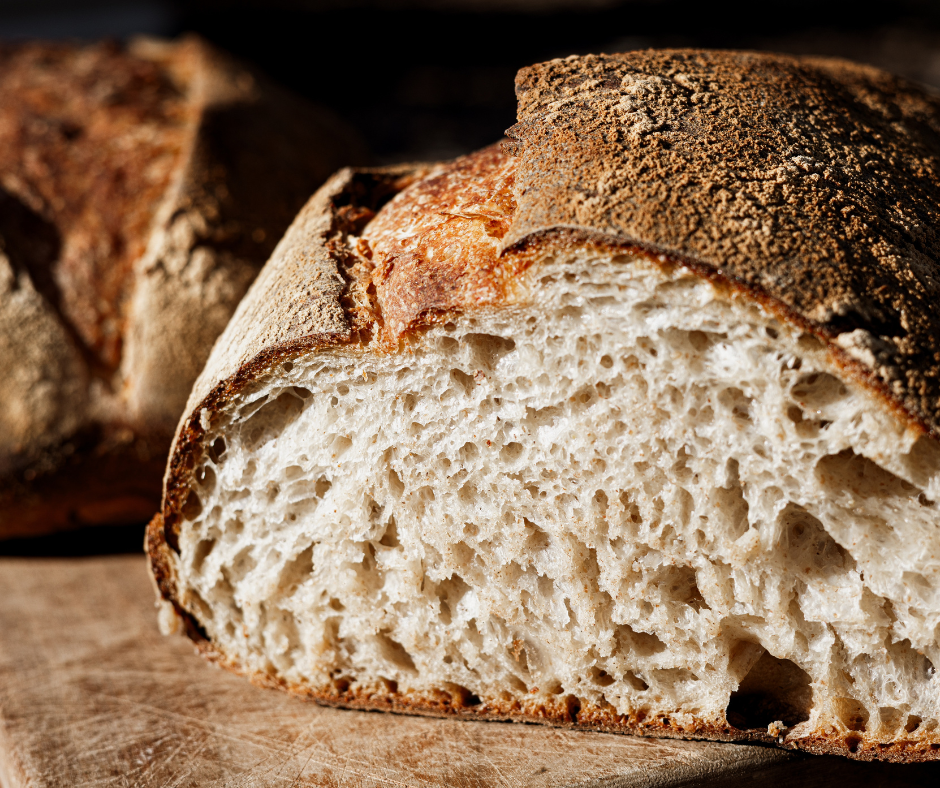
Why Is My Sourdough Dense? Common Causes And How To Fix Them
Few things are more frustrating than slicing into a loaf you have patiently waited for, only to find a tight, heavy crumb inside and you end up asking yourself why is my sourdough dense?
Dense sourdough is one of the most common beginner problems. The good news is that it is usually caused by a small number of predictable issues.
Understanding what went wrong makes the next loaf much better, especially when you have the right sourdough tools to support the process.
The Most Common Cause: Under Fermentation
In most cases, dense sourdough comes down to under fermentation.
If the dough has not fermented long enough during bulk fermentation, it simply has not produced enough gas to create an open crumb. The loaf may look fine on the outside but feel heavy once cut.
Signs of under fermentation include:
• Dough that feels tight and resistant
• Very little rise during bulk
• Small, uniform holes inside the crumb
In a typical UK kitchen at around eighteen to twenty two degrees Celsius, fermentation can take longer than many recipes suggest. Instead of watching the clock, watch the dough. It should increase noticeably in volume, feel lighter and show small bubbles beneath the surface.
Extending bulk fermentation slightly often solves dense crumb issues.
A Weak Or Underfed Starter
Your starter drives the entire process. If it is not strong enough, your dough cannot rise properly. An active sourdough starter should double in size within four to six hours at room temperature.
An active starter should double in size within four to six hours at room temperature. It should look airy and smell pleasantly sour, not sharply acidic.
If your starter struggles to double or collapses quickly, focus on strengthening it before baking again. Consistent feeding and using it at peak activity makes a noticeable difference.
Not Enough Structure
Sometimes the issue is not fermentation but structure.
If stretch and folds are skipped or rushed, the dough may not build enough strength to trap the gas produced during fermentation. The result is a tighter crumb.
During bulk fermentation, gentle but regular stretch and folds help develop gluten. You should feel the dough becoming smoother and more elastic over time.
A dough scraper can help you handle sticky dough confidently during this stage without adding excess flour.
Overproofing
While under fermentation is more common, overproofing can also lead to density.
If the dough rises too long during its final proof, the gluten structure weakens. When baked, the loaf may spread rather than rise, leading to a flatter shape and a slightly compressed interior.
Signs of overproofing include dough that feels very slack and does not spring back when gently pressed.
Using a banneton during final proofing helps the loaf maintain its shape and reduces spreading, especially with softer doughs.
Too Much Flour During Shaping
It is tempting to add extra flour when dough feels sticky. However, incorporating too much during shaping can tighten the crumb.
Instead of dusting heavily, use a dough scraper to lift and guide the dough. Lightly flouring your hands or the surface with the right bread flour is usually enough.
Sticky dough does not automatically mean something has gone wrong. High hydration sourdough is naturally soft and tacky.
Cutting The Loaf Too Soon
Sometimes the crumb is not actually dense. It is just not fully set.
Sourdough continues cooking internally as it cools. Cutting too early can compress the crumb and give the impression of gumminess or density.
Allow the loaf to cool completely before slicing. This alone can improve texture significantly.
How To Fix Dense Sourdough On Your Next Bake
If your loaf turned out dense, adjust one variable at a time.
• Extend bulk fermentation slightly
• Make sure your starter is at peak strength
• Perform proper stretch and folds
• Shape with firm surface tension
• Avoid adding excess flour
Small adjustments usually lead to noticeable improvements.
Final Thoughts
Dense sourdough is not a failure. It is feedback.
Fermentation takes practice to understand, especially as temperature changes through the year. The more attention you pay to how the dough looks and feels, the easier it becomes to judge when it is ready.
Focus on strengthening your starter, allowing enough time for bulk fermentation and shaping with confidence. With each bake, the crumb will open up and the structure will improve.
Consistency comes from repetition, not perfection.
If you are still troubleshooting, explore our sourdough tools to build a more consistent setup at home.