
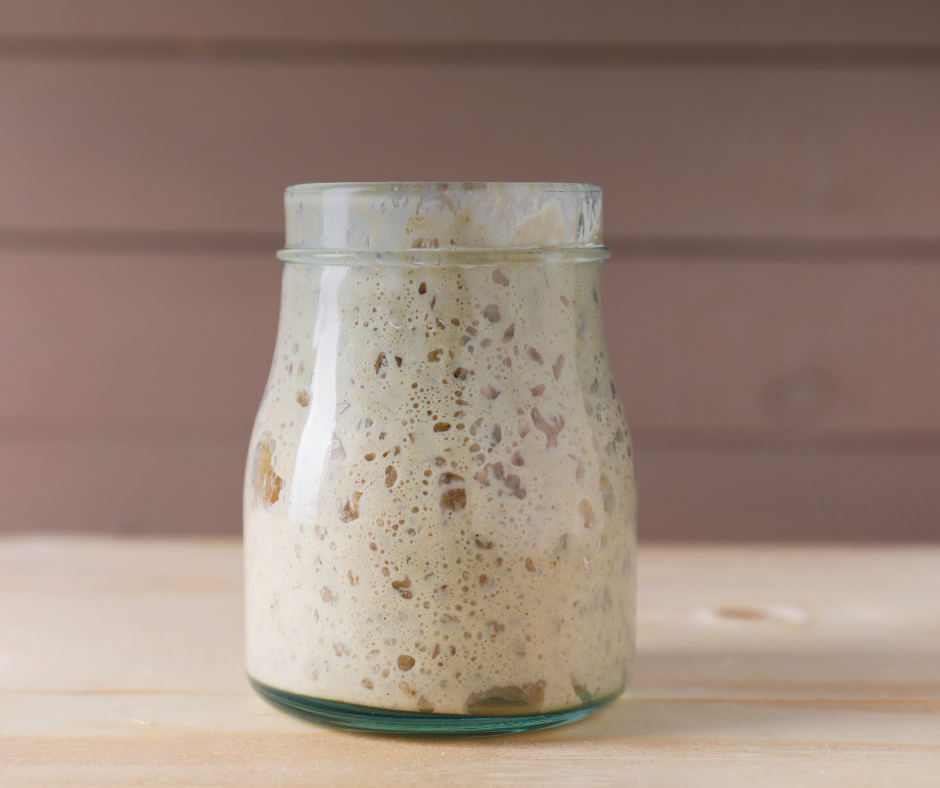
Bulk Fermentation Explained For Beginners
Bulk Fermentation Explained For Beginners is where sourdough either succeeds or fails. It is the stage that builds structure, develops flavour and determines whether your loaf will be light and open or dense and tight. Using the right sourdough tools can make this stage much easier to manage consistently.
Many beginners focus on shaping or scoring, but bulk fermentation does most of the heavy lifting. Once you understand what is happening during this stage, everything else becomes easier.
What Is Bulk Fermentation?
Bulk fermentation is the first rise after you mix flour, water, starter and salt together.
During this time:
• Yeast produces gas which inflates the dough
• Bacteria develop flavour
• Gluten strengthens and traps those gases
It is called bulk fermentation because the dough is fermenting as one whole mass before being divided or shaped.
This stage usually lasts between three and five hours, but time alone is not the best guide.
Why Bulk Fermentation Matters So Much
If bulk fermentation is too short, the dough will not produce enough gas. The result is often a dense crumb and limited oven spring.
If it goes too long, the gluten structure begins to weaken. The dough may feel overly soft, spread easily and lose strength.
Getting bulk fermentation right means your dough feels lighter, slightly airy and holds its shape when handled.
Watching The Dough Instead Of The Clock
Recipes often give time ranges, but temperature changes everything.
In a typical UK kitchen at around eighteen to twenty two degrees Celsius, fermentation moves more slowly than in warmer climates. In summer it may speed up noticeably.
Instead of relying only on time, look for these signs:
• The dough has increased in volume
• Small bubbles are visible beneath the surface
• The texture feels smoother and more elastic
• The dough jiggles slightly when the bowl is moved
These signals are more reliable than any timer.
Stretch And Folds During Bulk
Stretch and folds help build strength during bulk fermentation.
Every thirty minutes or so during the early stage, gently stretch one side of the dough upward and fold it back over itself. Rotate the bowl and repeat.
This process:
• Develops gluten without kneading
• Improves structure
• Helps the dough trap gas
You should notice the dough becoming stronger and less sticky over time.
A dough scraper can help you handle the dough cleanly during this stage, especially if it feels soft.
How Temperature Affects Fermentation
Fermentation speed is directly linked to temperature.
Warmer environments increase activity. Cooler environments slow it down.
If your kitchen is cool, bulk fermentation may need more time. If it is warm, keep a closer eye on the dough to avoid over fermenting.
Some bakers use a thermometer to monitor dough temperature more precisely, but careful observation usually works well at home.
Signs Of Under Fermentation
Under fermented dough often feels tight and slightly heavy.
Common signs include:
• Limited rise during bulk
• Few visible bubbles
• Dense crumb after baking
If this happens, extending bulk fermentation slightly on your next bake usually improves the result.
Signs Of Over Fermentation
Over fermented dough can feel overly soft and weak.
You may notice:
• The dough spreads easily when turned out
• Surface tension is hard to build during shaping
• The loaf bakes flatter than expected
Using a banneton during final proofing helps maintain structure, but correct bulk timing is the real solution.
How To Improve Bulk Fermentation
If you are unsure whether your bulk fermentation is long enough, make small adjustments.
Extend the time slightly and observe the difference. Focus on how the dough feels rather than sticking rigidly to a schedule.
Strong stretch and folds, an active starter and consistent temperature all contribute to better results.
Final Thoughts
Bulk fermentation is the foundation of sourdough baking. When it is done well, shaping becomes easier, scoring improves and the crumb opens up naturally.
Instead of thinking about it as a fixed time period, think of it as a stage where the dough needs to show clear signs of life and strength.
The more attention you give to this part of the process, the more consistent your loaves will become.
If you are refining your process, reliable sourdough tools help you stay consistent from mix to bake.