
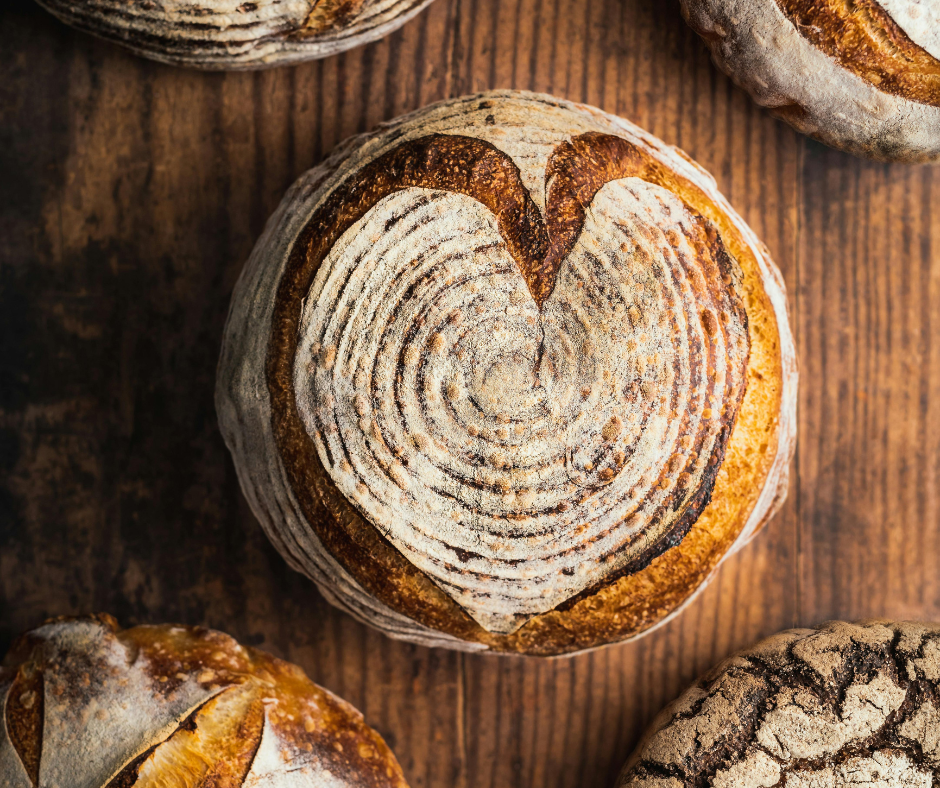
Beginner Sourdough Guide: How To Bake Sourdough At Home
Sourdough can look intimidating at first, but when you strip it back it is simply flour, water, salt and patience. The real skill is learning how fermentation works and getting comfortable adjusting things as you go. I'll explain it in our beginner sourdough guide.
This guide covers the fundamentals. You will understand what sourdough actually is, how the process works from start to finish, the tools that genuinely help, and the common mistakes most beginners run into.
What Is Sourdough?
Sourdough is bread that rises using a natural sourdough starter instead of commercial yeast. A starter is simply flour and water left to ferment, often kept in a dedicated starter jar. Over time it develops wild yeast and beneficial bacteria.
These microorganisms do three important jobs. They produce gas which makes the dough rise, they create flavour as fermentation progresses, and they strengthen the dough structure while it rests.
Unlike fast yeast breads, sourdough relies on slow fermentation. That is why learning to observe your dough matters more than following a strict timer.
The Basic Equipment You Need
You do not need a professional bakery setup. A few simple tools will make baking easier and far more consistent.
Digital scales are essential. Sourdough depends on ratios. Measuring ingredients in grams removes guesswork and allows you to repeat good results.
A Danish dough whisk is ideal for mixing high hydration dough. Its coiled design combines flour and water evenly, reduces clumping and handles thicker mixtures better than a spoon. It is especially useful during the first mix before the dough strengthens.
A dough scraper, sometimes called a bench scraper, quickly becomes one of your most used tools. It lifts sticky dough from the counter, helps you divide portions cleanly, improves control during shaping and keeps your work surface tidy. When working with wet sourdough, this tool makes a noticeable difference.
A banneton (proofing basket) supports your dough during its final rise, helping the loaf hold its shape while drawing away a small amount of surface moisture for better oven spring. Many bakers choose between bamboo bannetons for a traditional finish, wood pulp bannetons for a smooth release, or sugar cane bannetons for lightweight, practical everyday use. You can also select a round banneton for classic boule loaves or an oval banneton for bâtards, depending on the shape you want to achieve.
A bread lame is a small razor tool used to score the dough before baking. Scoring controls where the loaf expands, prevents random cracking and creates the distinctive ear seen on artisan sourdough. A sharp blade makes clean expansion much easier.
Alongside these tools, a large mixing bowl and a breathable tea towel are enough for bulk fermentation. You do not need specialist proofing equipment when starting out.
The Basic Sourdough Process
Focus on understanding each stage rather than memorising a recipe.
First, feed your sourdough starter. It should be active and bubbly before you mix dough and ideally double in size within four to six hours at room temperature. If it is sluggish, your bread will struggle to rise.
Next comes the autolyse. Mix flour and water and let it rest for thirty to sixty minutes. This hydrates the flour, begins gluten development and makes the dough easier to handle. A Danish dough whisk is particularly helpful here.
After that, add your starter and salt and mix thoroughly. The dough will feel sticky. That is normal.
Bulk fermentation is where structure and flavour develop. Over the next three to five hours, depending on temperature, perform stretch and folds at regular intervals during the early stage. You should see the dough gradually strengthen, smooth out and increase in volume. In a typical UK kitchen at around eighteen to twenty two degrees Celsius, fermentation progresses more slowly than in warmer climates. Temperature matters more than strict timing.
When bulk fermentation is complete, turn the dough onto your work surface. Use a dough scraper to gently pre shape it into a round and let it rest for twenty to thirty minutes. This allows the gluten to relax before final shaping.
Shape the dough firmly to build surface tension. This tension helps the loaf rise upward instead of spreading flat. Place the shaped dough seam side up into a floured banneton.
For the final proof you can either leave it at room temperature for one to three hours or refrigerate it overnight. A cold proof often develops deeper flavour and makes scoring easier.
When ready to bake, turn the dough onto parchment or into a fully preheated Dutch oven. Score confidently using your bread lame. Bake in a hot oven, usually between 230 and 250 degrees Celsius, with steam at the start. Steam keeps the crust flexible so the loaf can expand properly before setting.
Common Beginner Mistakes
Dense or tight crumb is usually caused by under fermentation, a weak sourdough starter or cutting bulk fermentation too short. Extending fermentation slightly often solves this.
A flat loaf often points to overproofing, loose shaping or not building enough surface tension. Careful shaping and using a supportive banneton help maintain height.
A pale crust typically comes from not baking long enough, an oven that is not fully preheated or weak fermentation. Colour equals flavour. Bake until the crust is a deep golden brown.
Sticky dough causes panic for many beginners. High hydration sourdough is naturally sticky. Instead of adding excess flour, use a dough scraper, lightly wet or flour your hands and rely on stretch and folds to build structure. Confidence improves quickly with practice.
Do You Need Expensive Equipment?
No. Technique matters more than tools.
However, well made tools remove frustration. A banneton improves structure. A dough scraper improves handling. A bread lame improves controlled expansion. A Danish dough whisk improves mixing. They do not replace skill but they make developing that skill easier.
Final Thoughts
Sourdough baking is not about perfection. It is about understanding fermentation and building consistency.
Each bake teaches you something about temperature, timing and dough behaviour. Start simple. Change one variable at a time. Pay attention to how the dough feels rather than chasing exact timings.
With experience you stop simply following instructions and start reading the dough itself. That is when sourdough becomes intuitive and genuinely enjoyable.